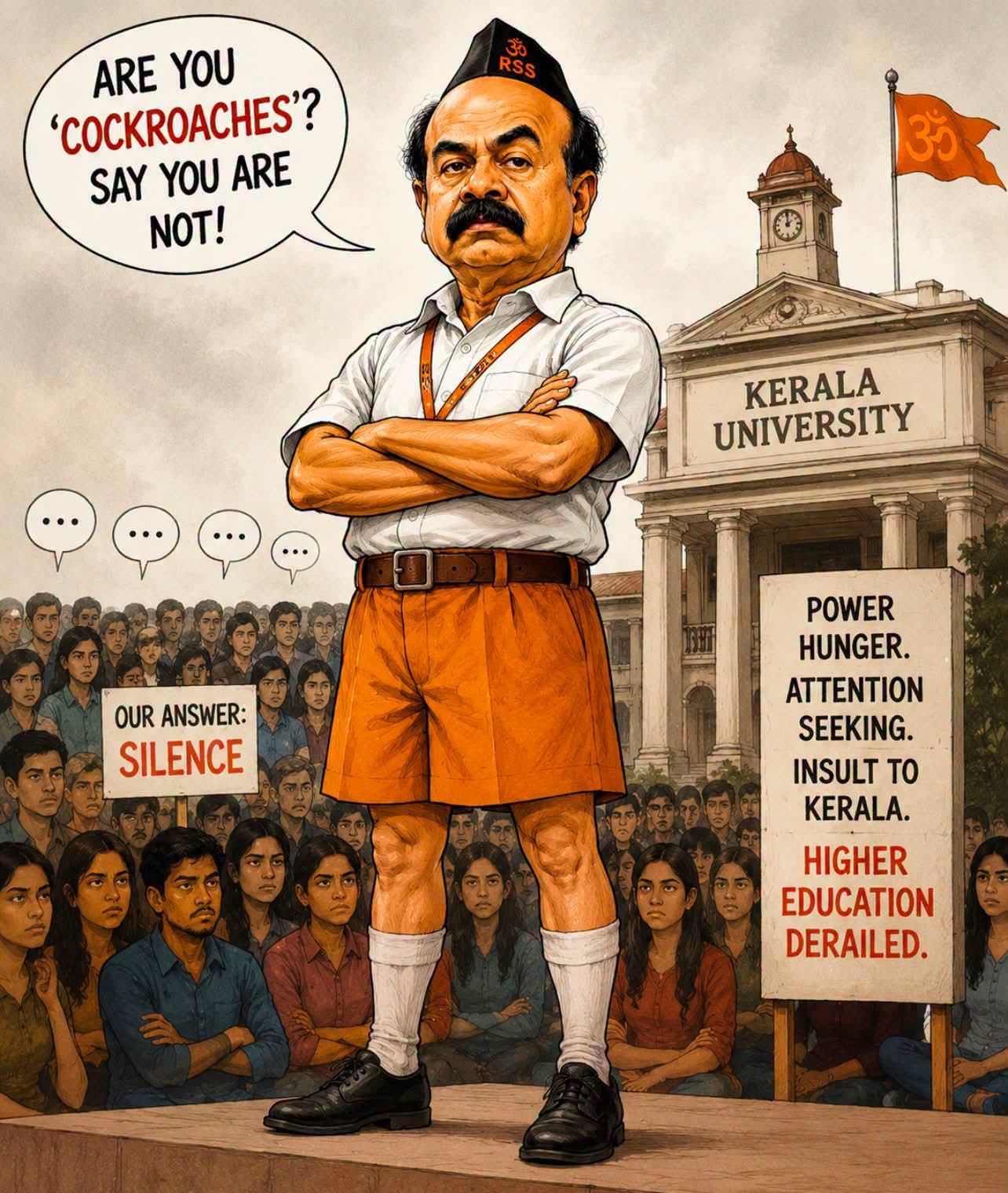
I find the latest episode involving Kerala University Vice-Chancellor Mohanan Kunnummal deeply disturbing, not because of the word “cockroach” alone, but because it exposes something much larger: the growing politicisation of a university office that should stand above ideological battles. At a programme honouring meritorious students, Kunnummal asked them whether they were “cockroaches” and then urged them to shout that they were not. He repeated the question when the hall remained silent. Hundreds of students were there. Almost nobody responded. Eventually, one or two voices said no. He then told them they were “lions” and the embodiment of Durga. That silence was magnificent. He wanted a slogan. The students gave him silence. He wanted a chorus. They gave him their refusal. He wanted to turn a hall full of young minds into an audience for his political theatre. They simply did not participate. For me, this is not an isolated lapse of judgement. It comes days after Kunnummal appeared at an RSS-organised youth programme and declared that those who oppose saying Vande Mataram do not know who their mother is. I have no problem with Kunnummal having his own political beliefs. He is entitled to them as a citizen. But a Vice-Chancellor is not an ordinary citizen when he occupies the university chair. That chair carries a responsibility to protect intellectual freedom, dissent, pluralism and the right of students to disagree. A university is not a political stage. A Vice-Chancellor is not a party propagandist. Students are not a captive audience to be instructed what to shout. What I see in Kunnummal’s recent conduct is an unhealthy hunger for political visibility and proximity to the Sangh Parivar. Every appearance, every loaded phrase, every dramatic intervention seems to push the academic office further into the political spotlight. It is attention seeking at the cost of academic dignity. And ultimately, it is an insult to Kerala. Kerala has a long and proud tradition of questioning authority. Our campuses have produced generations who challenged governments, religious institutions, political parties and even their own teachers. The strength of Kerala’s higher education tradition has never been obedience. It has been argument, dissent and the courage to ask uncomfortable questions. That tradition is now being dragged into a crude contest of slogans and ideological signalling. I worry about what this does to our universities. Higher education should teach a young person to ask why, not tell them what they must believe. It should teach them to disagree without fear. It should make them uncomfortable with easy answers. It should produce citizens capable of resisting every form of authoritarianism, whether it comes from the Left, Right, religious institutions, governments or university authorities themselves. Instead, we are witnessing a Vice-Chancellor seemingly desperate to prove his ideological credentials outside the university and then carrying that language back into a student gathering. That is where the line must be drawn. I do not think those students were weak because they remained silent. I think they were stronger than the man standing before them. They understood that they did not have to shout merely because someone in authority demanded a response. Their silence was not cowardice. It was dissent without a slogan. And perhaps that is the most Kerala thing they could have done....
Day: August 20, 2026
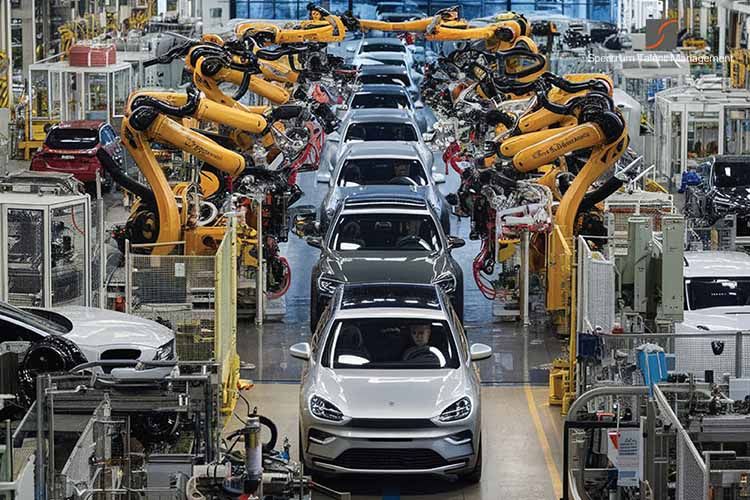
சென்ற வாரம் ஒரு வகுப்பில், சென்னை தான் ஆசியாவின் டெட்ராய்ட் – Asia’s Detroit – என்று அழைக்கப்படுகிறது தெரியுமா என்று மாணவர்களிடம் கேட்டேன். உடனே ஒரு மாணவன் எழுந்து ‘போர்ட் (Ford) கம்பெனி தான் இங்கிருந்து போய்விட்டதே” என்றான். இது தான் தமிழர்களின் தாழ்வு மனப்பான்மை. ஆசியாவின் டெட்ராய்ட் என்றால் என்ன பொருள்? ஏன் சென்னை அவ்வாறு அழைக்கப்படுகிறது? அப்படி என்ன சென்னை சாதித்தது என்று கேட்காமல், ஒரு கம்பெனி போய்விட்டதே என்று அங்கலாய்ப்பது ஏன்? (அமெரிக்கவில் உள்ள டெட்ராய்ட் நகரம் உலகின் மோட்டார் நகரம் என்று அழைக்கப்படுகிறது. போர்டு, ஜெனரல் மோட்டார்ஸ் ஆகிய நிறுவனங்கள் இங்கு தான் தொடங்கப்பட்டன. அந்த அளவிற்கு சென்னையிலும் வாகன உற்பத்தி நடைபெறுவதால், அது ஆசியாவின் டெட்ராய்ட் என்று அழைக்கப்படுகிறது) இந்தியாவில் உற்பத்தி செய்யப்படும் வாகனங்கள் மூன்றில் ஒரு பங்கு சென்னையில் தான் உருவாகின்றன. இந்தியாவிலிருந்து ஏற்றுமதி செய்யப்படும் 60 சதவீத வாகனங்கள் சென்னையிலிருந்து தான் வெளியேறுகின்றன. ஒரகடம் முதல் ஶ்ரீபெரும்புதூர் வரை உள்ள அறுபது கிமீ வாகன உற்பத்தி பிராந்தியத்தில் ஆயிரக்கணக்கான சிறு, பெரும் நிறுவனங்களும், லட்சக்கணக்கான தொழிலாளர்களும் நேரடியாகவோ மறைமுகமாகவோ பயன்பெறுகின்றனர். இதை ஒரு சென்னைவாசியாகவோ, தமிழராகவோ பெருமையாக எண்ணுவதா அல்லது ஒரு நிறுவனம் அது நொடித்துப் போனதால் வெளியேறிதைப் பேசுவதா? இப்போதும் ஹ்யூண்டாய், நிசான், ரெனே, பி.எம்.டபிள்யூ, அசோக் லைலாண்ட், டிவிஎஸ், ராயல் என்பீல்ட், எம்ஆர்எப் ஆகிய நிறுவனங்கள் இயங்குகின்றன. இந்தச் செய்திகள் ஜெமினை / ஏ.ஐ.மூலமாக எளிதாகக் கிடக்கின்றன. ஆனாலும் நாம் விமர்சிக்கிறோம் (critical) என்ற பெயரில் அவநம்பிக்கையோடு (cynical) அனைத்தையும் தட்டிக்கழிக்கிறோம், எள்ளி நகையாடுகிறோம், எட்டி உதைக்கிறோம். இது 1967ல் திமுக ஆட்சிக்கு வந்த பிறகு அக்கட்சியால் பதவி இழந்த காங்கிரஸ் கட்சியினரும், கம்யூனிஸ்ட் கட்சியினரும் திட்டமிட்டு உருவாக்கிய மனநிலையாகும். மூத்த திருச்சி வேலுச்சாமியிடமும், இளைய ஜி செல்வாவிடமும் இந்த ஒற்றுமையைக் காணலாம். இப்போதும் அவர்கள் இருவரும் திமுகவைத் தான் திட்டுகிறார்கள் என்பது இதற்குச் சாட்சி! விமர்சனம் செய்வோர், நாம் இதுவரை சாதித்தது என்ன என்று எப்போதாவது சொல்லியிருக்கிறார்களா? சென்னை தான் இந்தியாவின் மருத்துவத்தின் தலைநகரம் என்று நம்மில் யாருக்குத் தெரியும்?...